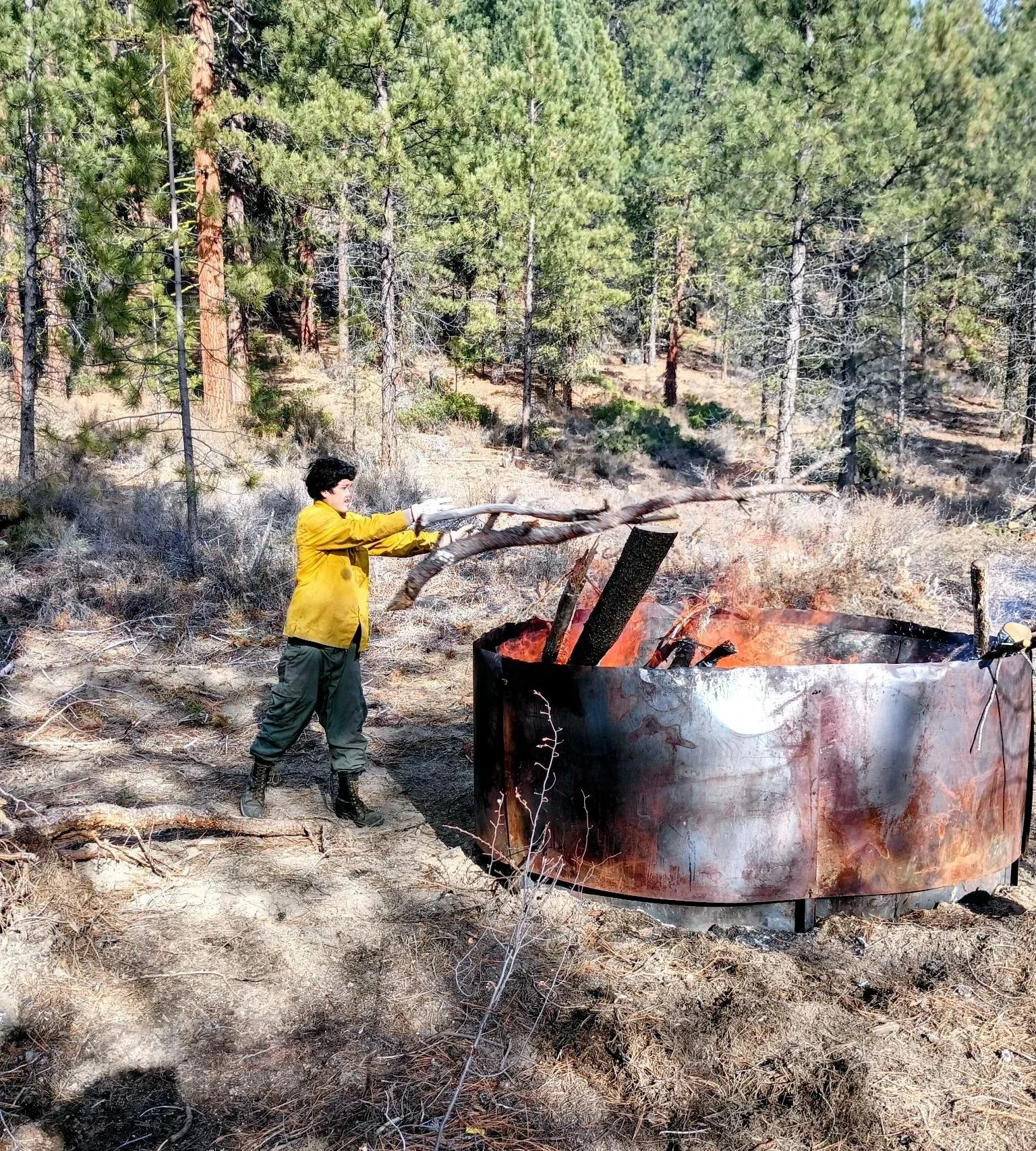
BioChar
What is BioChar?
Biochar is a stable, carbon-rich material produced by heating organic biomass (like wood chips, crop residues, or manure) in a low-oxygen process called pyrolysis. When added to soil, biochar improves structure, increases water and nutrient retention, and supports beneficial microbial life, which can boost plant growth and resilience. Because biochar locks carbon into a stable form that resists decomposition, its use can sequester atmospheric CO2 for decades to centuries, making it a promising tool for climate mitigation. Additionally, biochar can reduce nutrient leaching and greenhouse gas emissions from soils, and when produced from waste biomass it provides a productive way to transform residues into a long-lasting soil amendment.
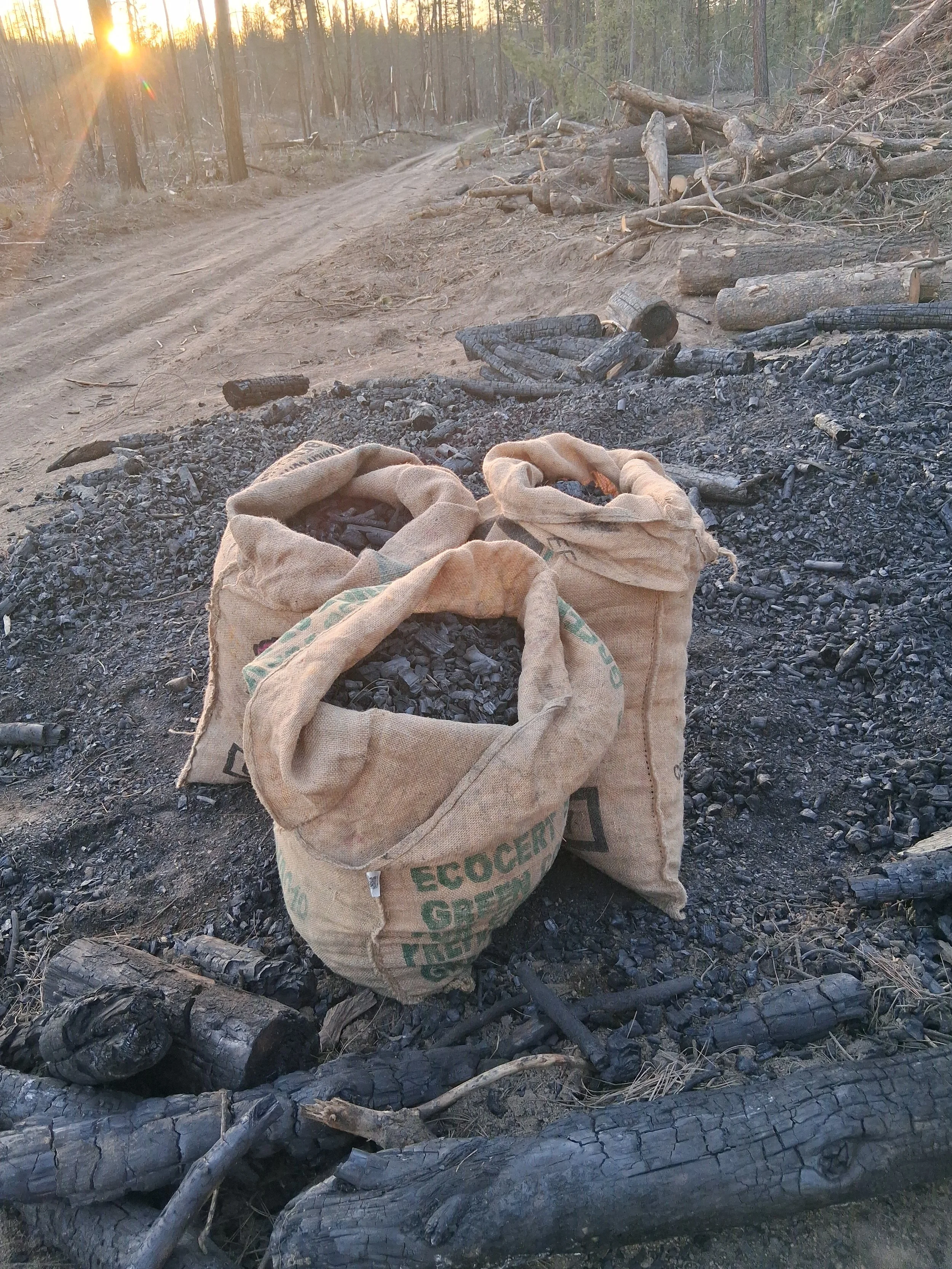
Why is BioChar so important?
Biochar is a game-changer for forest health, farming, and soil ecology because it creates long-lasting, porous carbon structures that improve water retention, nutrient availability, and microbial habitat. In forests, applying biochar helps soils resist drought stress, supports mycorrhizal networks, and reduces vulnerability to pests and disease by strengthening tree root systems and stabilizing soil organic matter. On farms, biochar enhances crop resilience and yields by increasing soil cation exchange capacity, holding fertilizer where roots can access it, and reducing nutrient leaching into waterways—so less input is needed for better results. From a soil-ecology perspective, biochar provides a stable niche for beneficial microbes, promotes balanced soil pH, and accelerates the formation of healthy soil aggregates that improve aeration and root growth. Plus, because biochar locks carbon away for centuries, it’s a practical climate-smart tool that simultaneously restores degraded lands and sequesters carbon—real wins for ecosystems, farmers, and communities.
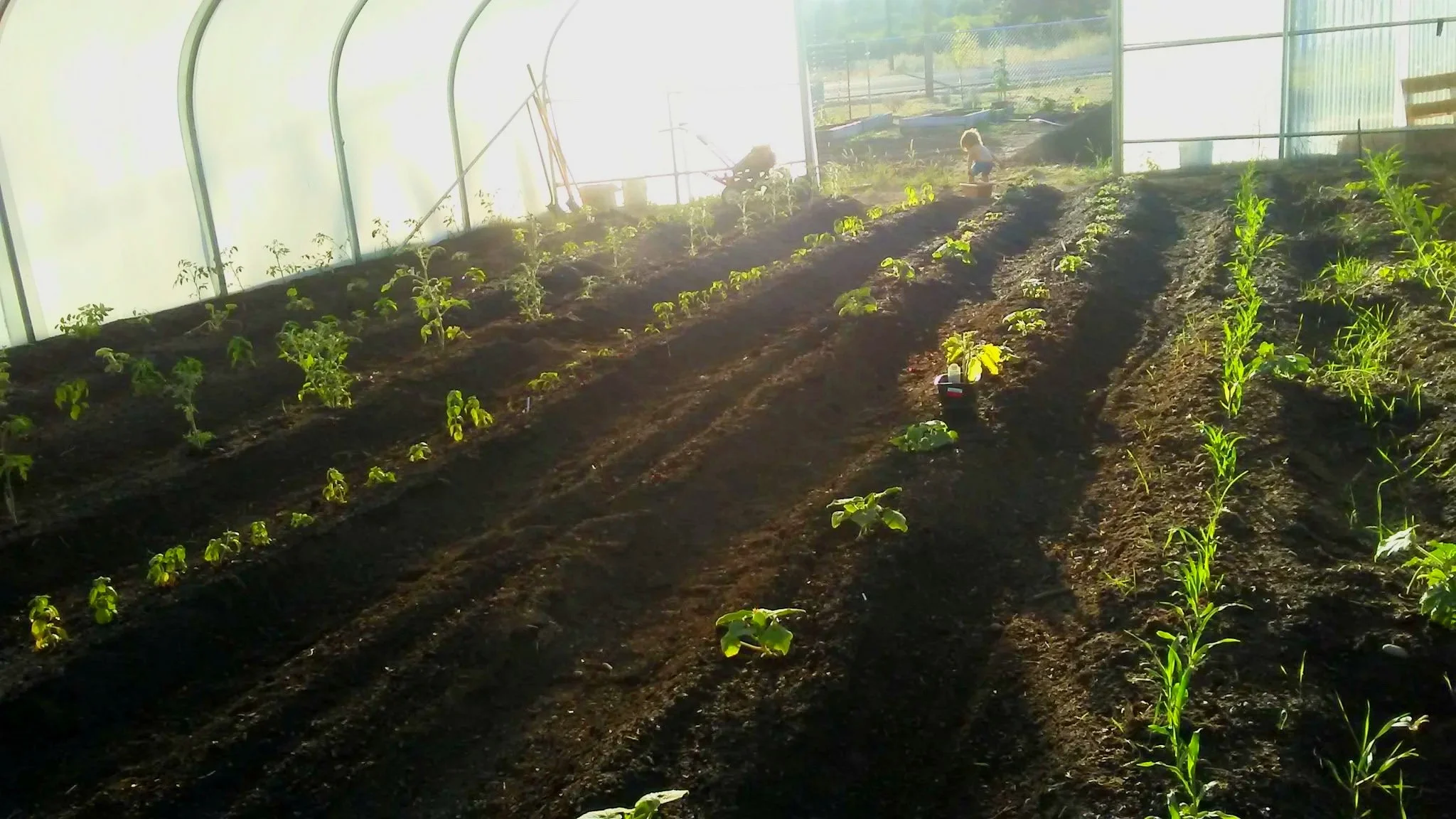
How does Maqlaqs Gaa’tkni produce BioChar?
Native communities have long produced biochar through careful, low-temperature burning of plant materials—grasses, wood, crop residues, and even shellfish shells—in controlled, often earth-covered pits or simple kilns. These practices are guided by deep ecological knowledge: selecting seasonally appropriate feedstocks, arranging them to limit oxygen for smoldering rather than open flame, and tending the burn to ensure steady carbonization. The resulting char is quenched and often mixed with local organic matter, ash, or nutrient-rich soils before being applied to fields, gardens, or storage pits to enhance fertility, retain moisture, and stabilize carbon. Beyond the technical steps, the process is embedded in cultural practices and teaching younger generations, aligning with harvest cycles, and honoring relationships with the land so that biochar production supports both ecosystem health and cultural continuity.