Forest & Watershed Restoration
Forest Restoration
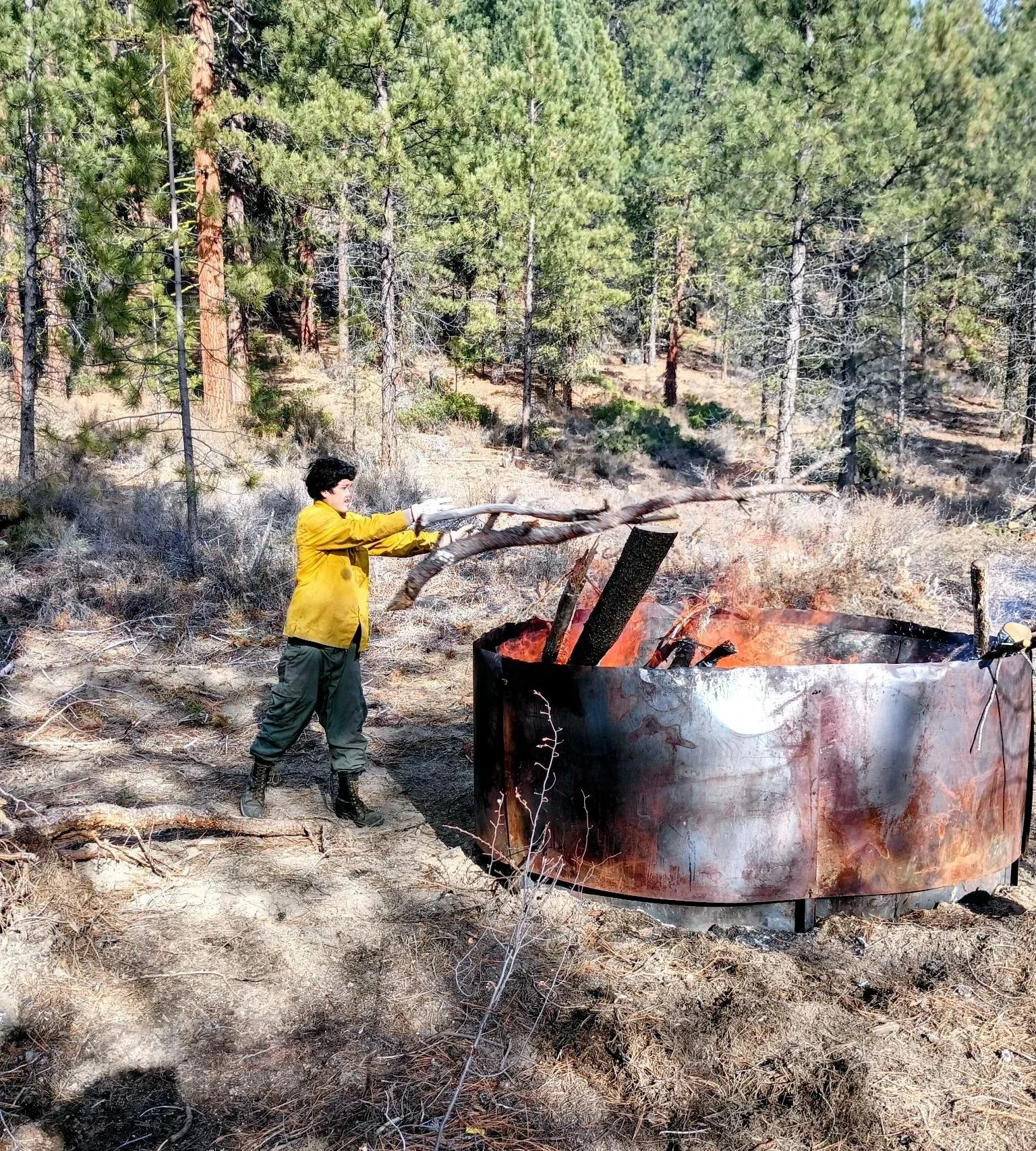
Maqlaqs Gaa'tkni utilizes a culturally-informed approach to promoting fire-adapted species and removal of fuel loads through thinning, prescribed burns, and carbon sequestration. Maqlaqs Gaat'kni’s uniquely qualified teams of forest restoration specialists use traditional techniques that minimize the use of machinery and soil disruption. The positive impact of traditional methods of Wqutcipga (limbing and thinning congested forests by hand) and restoring carbon to the soil through the ancient practice of biochar production have been well documented.* *For example, Razzaghi, Obour, and Arthur, Does biochar improve soil water retention? A systematic review and meta-analysis, Geoderma, 361, 2020
Watershed Restoration
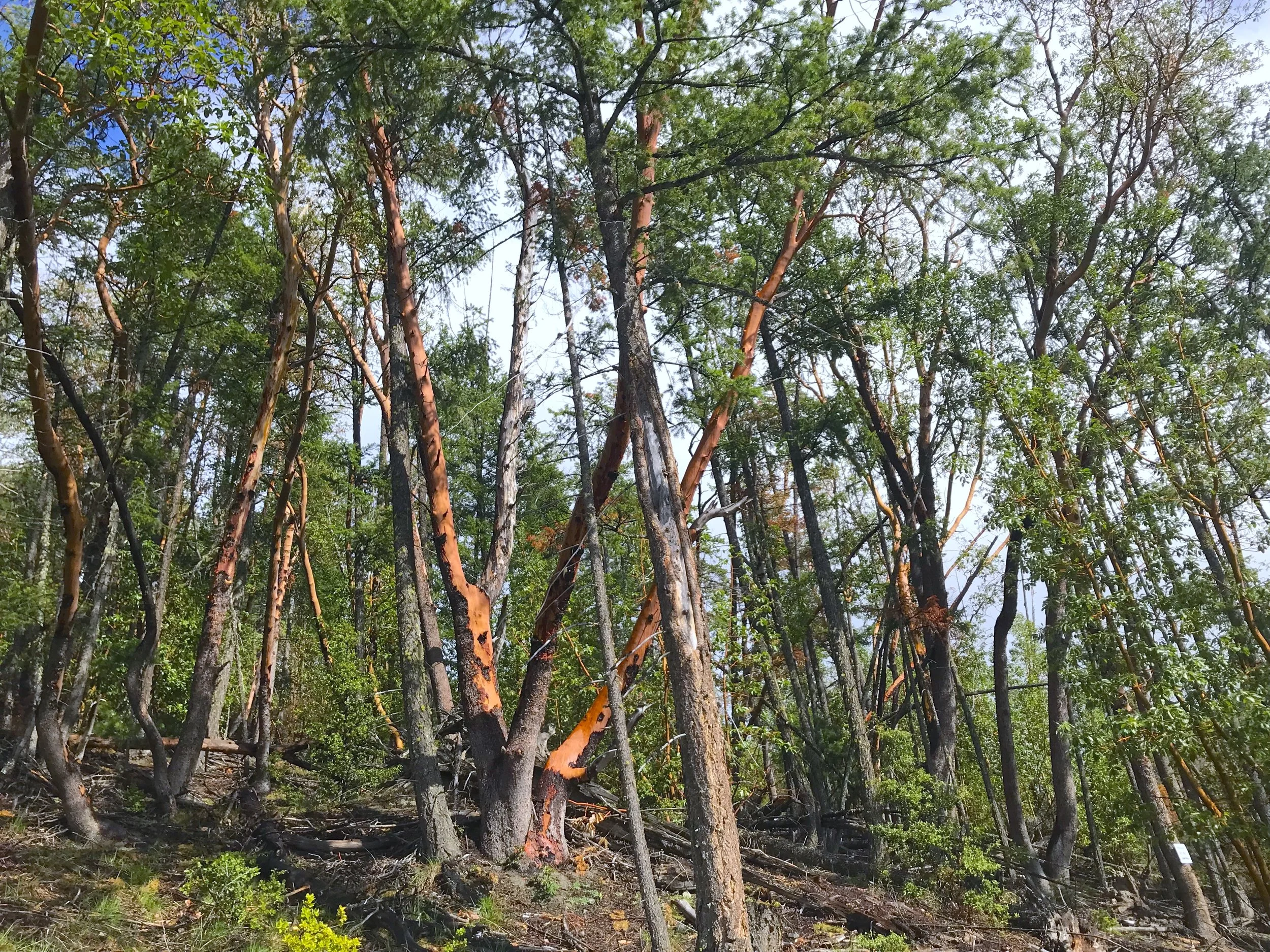
Watershed restoration heals the interconnected systems that supply our clean water, support wildlife, and buffer communities against floods and droughts; it combines science, land stewardship, and community action to repair stream banks, replant riparian corridors, reconnect wetlands, and manage runoff so water flows more naturally through the landscape. Restoring a watershed stabilizes soils and reduces erosion, filters pollutants before they reach rivers and aquifers, rebuilds habitat for fish, birds, and insects, and restores groundwater recharge that sustains wells and baseflows during dry periods. Effective restoration balances engineered solutions—like grade controls and stormwater retrofits—with nature-based practices such as planting native vegetation, removing barriers to fish passage, and restoring floodplain connectivity; it also requires monitoring, adaptive management, and policies that reduce upstream pressures from development and poor agricultural practices. When communities, landowners, scientists, and agencies work together, watershed restoration not only improves ecological function but also strengthens local resilience, preserves cultural and recreational values, and delivers long-term social and economic benefits that ripple across the landscape.
Leadership Team
-
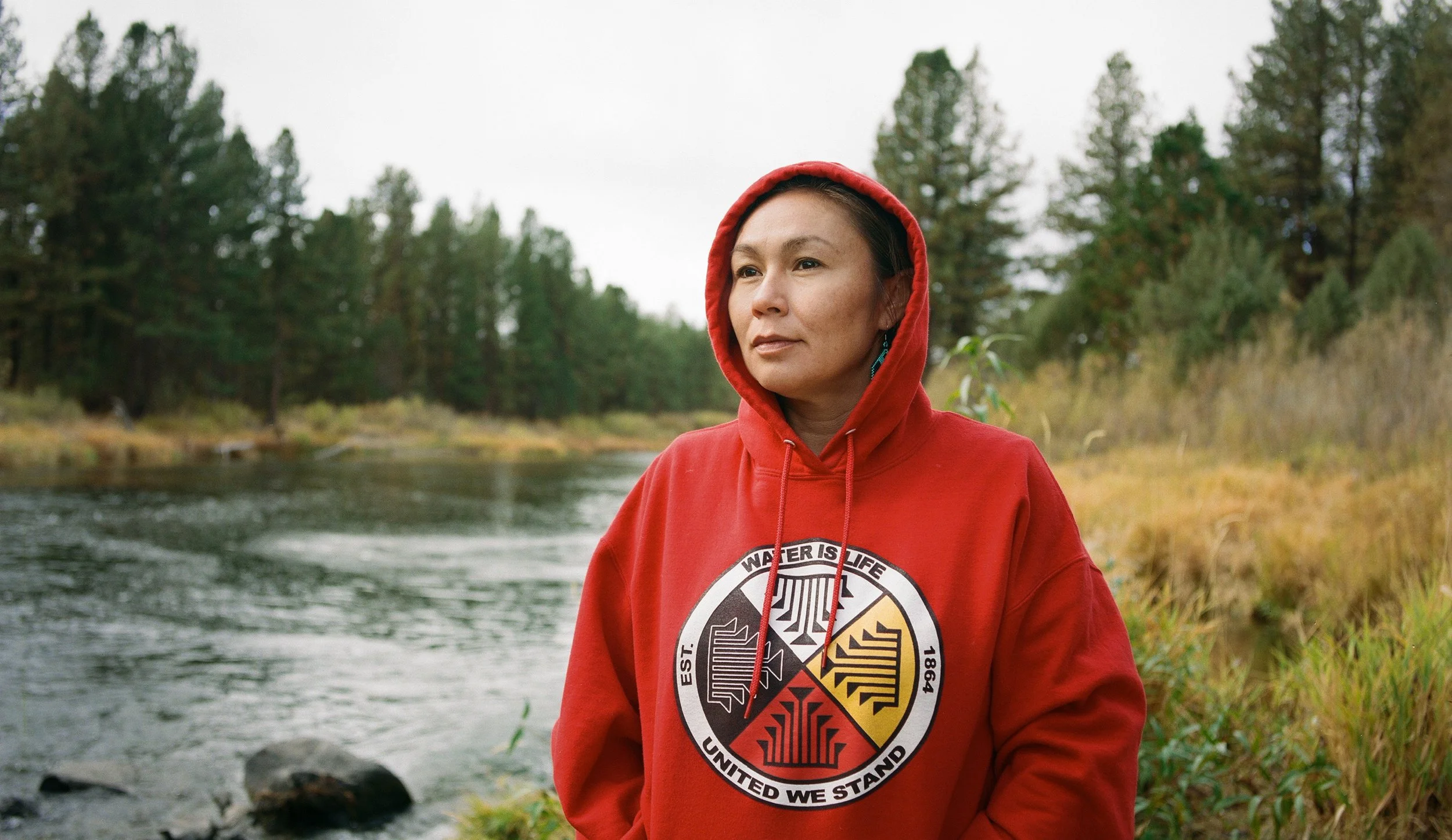
Anna Merrit
DIRECTOR OF ECO-RESTORATION & ECO-CULTURE
-

Derek Kimbol
DIRECTOR OF SUSTAINABILITY
What is BioChar?
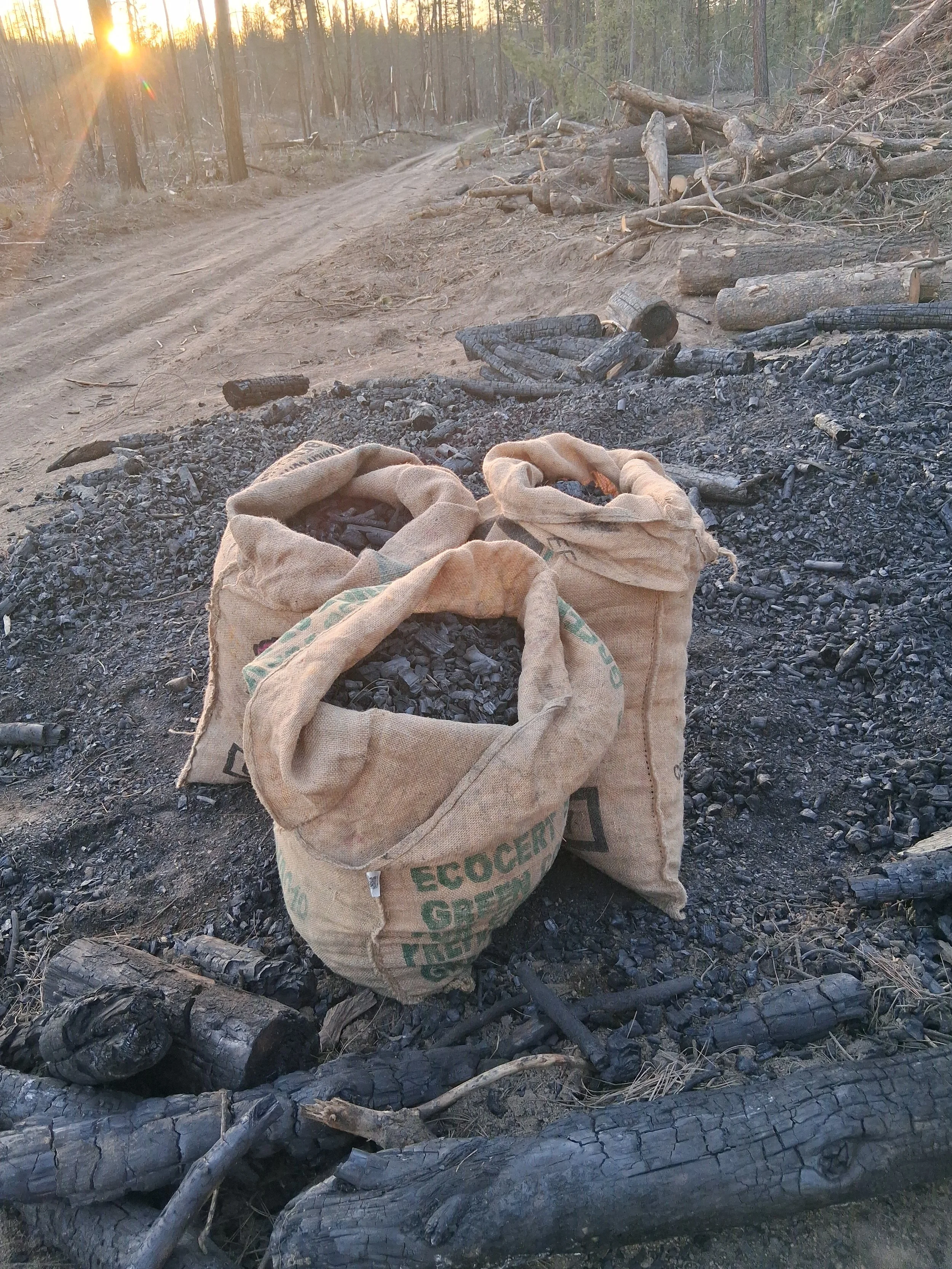
Biochar is a stable, carbon-rich material produced by heating organic biomass (like wood chips, crop residues, or manure) in a low-oxygen process called pyrolysis. When added to soil, biochar improves structure, increases water and nutrient retention, and supports beneficial microbial life, which can boost plant growth and resilience. Because biochar locks carbon into a stable form that resists decomposition, its use can sequester atmospheric CO2 for decades to centuries, making it a promising tool for climate mitigation. Additionally, biochar can reduce nutrient leaching and greenhouse gas emissions from soils, and when produced from waste biomass it provides a productive way to transform residues into a long-lasting soil amendment.
Why is BioChar so important?
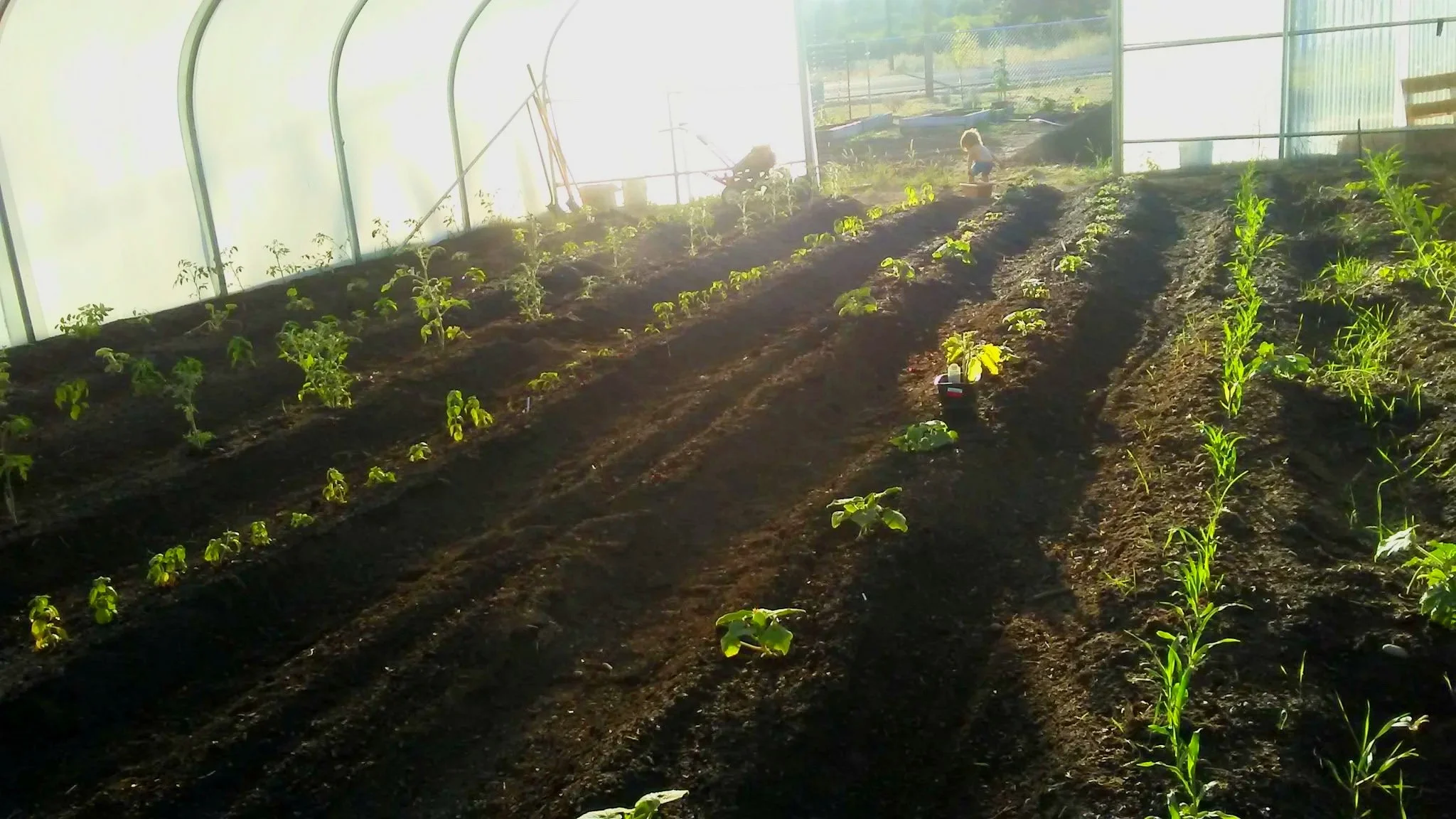
Biochar is highly prized for forest health, farming, and soil ecology because it creates long-lasting, porous carbon structures that improve water retention, nutrient availability, and microbial habitat. In forests, applying biochar helps soils resist drought stress, supports mycorrhizal networks, and reduces vulnerability to pests and disease by strengthening tree root systems and stabilizing soil organic matter. On farms, biochar enhances crop resilience and yields by increasing soil cation exchange capacity, holding fertilizer where roots can access it, and reducing nutrient leaching into waterways—so less input is needed for better results. From a soil-ecology perspective, biochar provides a stable niche for beneficial microbes, promotes balanced soil pH, and accelerates the formation of healthy soil aggregates that improve aeration and root growth. Plus, because biochar locks carbon away for centuries, it’s a practical climate-smart tool that simultaneously restores degraded lands and sequesters carbon—real wins for ecosystems, farmers, and communities.
Purchase BioChar from us!
We add ____ to our small-batch organic biochar to make a super-nutritious soil amendment that you can add directly to garden beds. Just be ready for how productive and delicious your harvests will be!
Support the work of Maqlaqs Gaa’tkni and nourish your soil! We sell Biochar produced from past projects to support our work in Native communities.
Looking for large quantities? Let us know!
How does Maqlaqs Gaa’tkni produce BioChar?
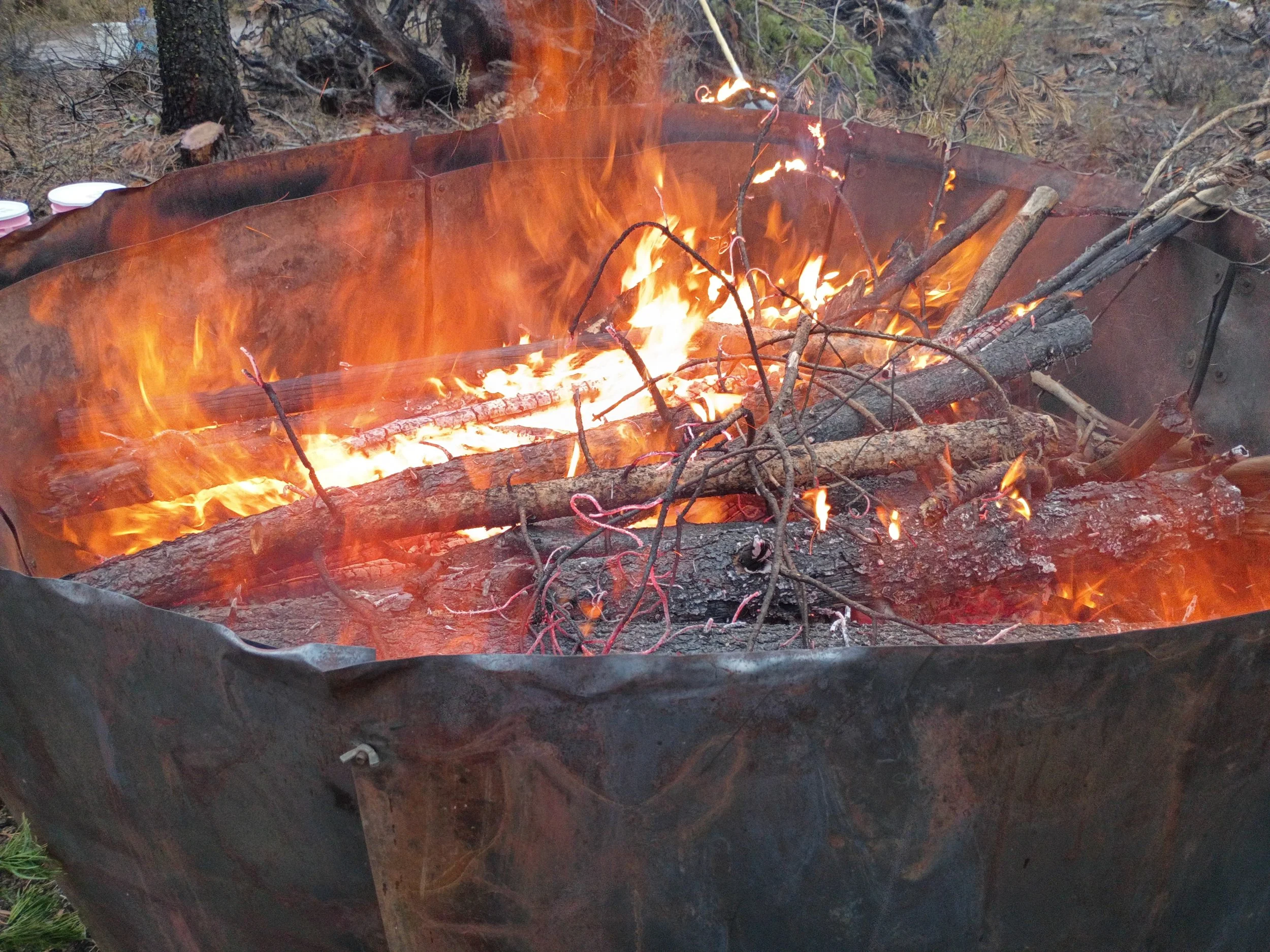
Native communities have long produced biochar through careful, low-temperature burning of plant materials—grasses, wood, crop residues, and even shellfish shells—in controlled, often earth-covered pits or simple kilns. These practices are guided by deep ecological knowledge: selecting seasonally appropriate feedstocks, arranging them to limit oxygen for smoldering rather than open flame, and tending the burn to ensure steady carbonization. The resulting char is quenched and often mixed with local organic matter, ash, or nutrient-rich soils before being applied to fields, gardens, or storage pits to enhance fertility, retain moisture, and stabilize carbon. Beyond the technical steps, the process is embedded in cultural practices and teaching younger generations, aligning with harvest cycles, and honoring relationships with the land so that biochar production supports both ecosystem health and cultural continuity.