Klamath Heartlands
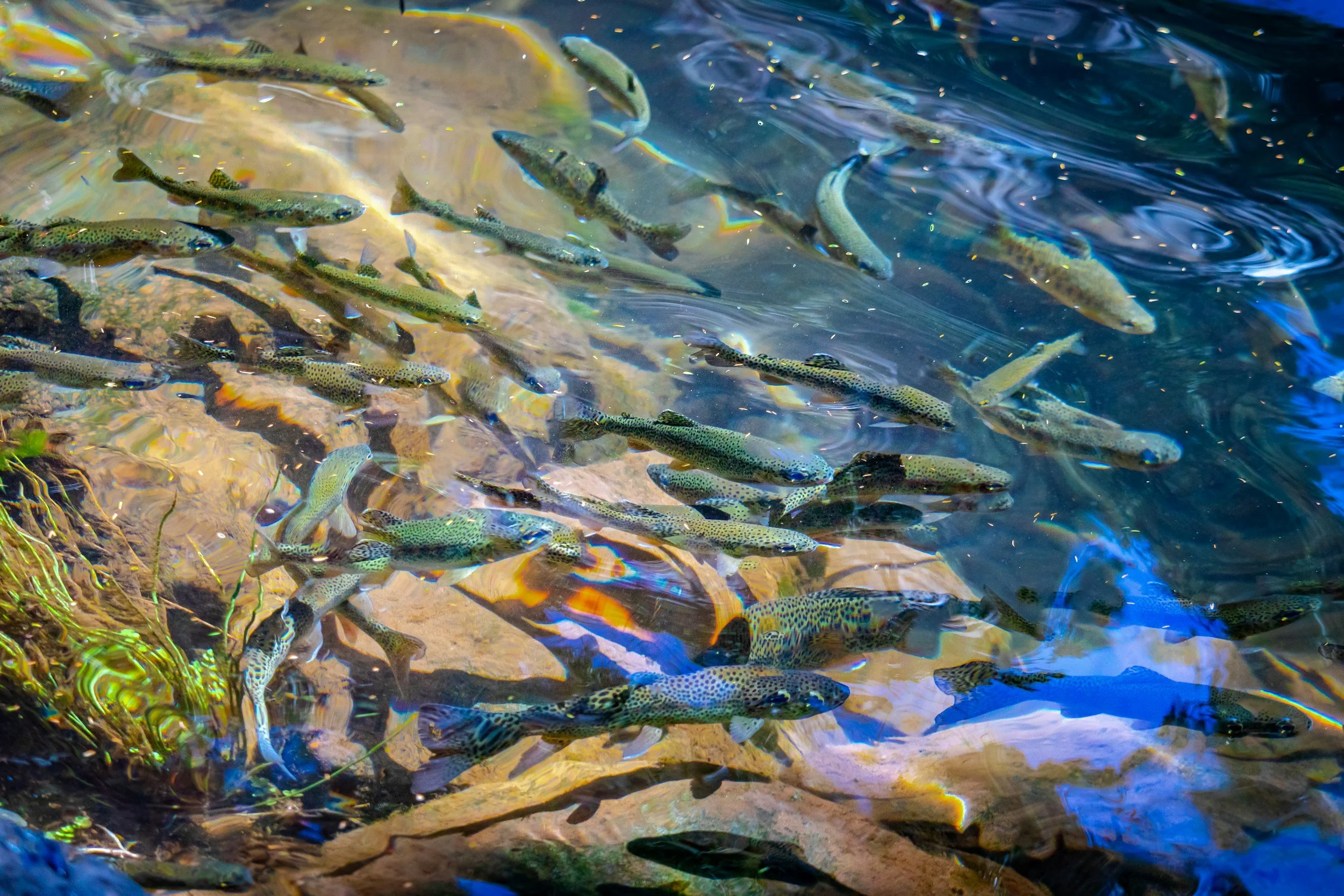
While four dams on the Klamath River have been removed, two major dams remain on the Klamath River that still degrade water quality and threaten the survival of the nearly extinct C’waam (Lost River sucker) and Koptu (shortnose sucker) species, as well as the long-term viability of the recently returned salmon (Ciyaa’ls).
Background
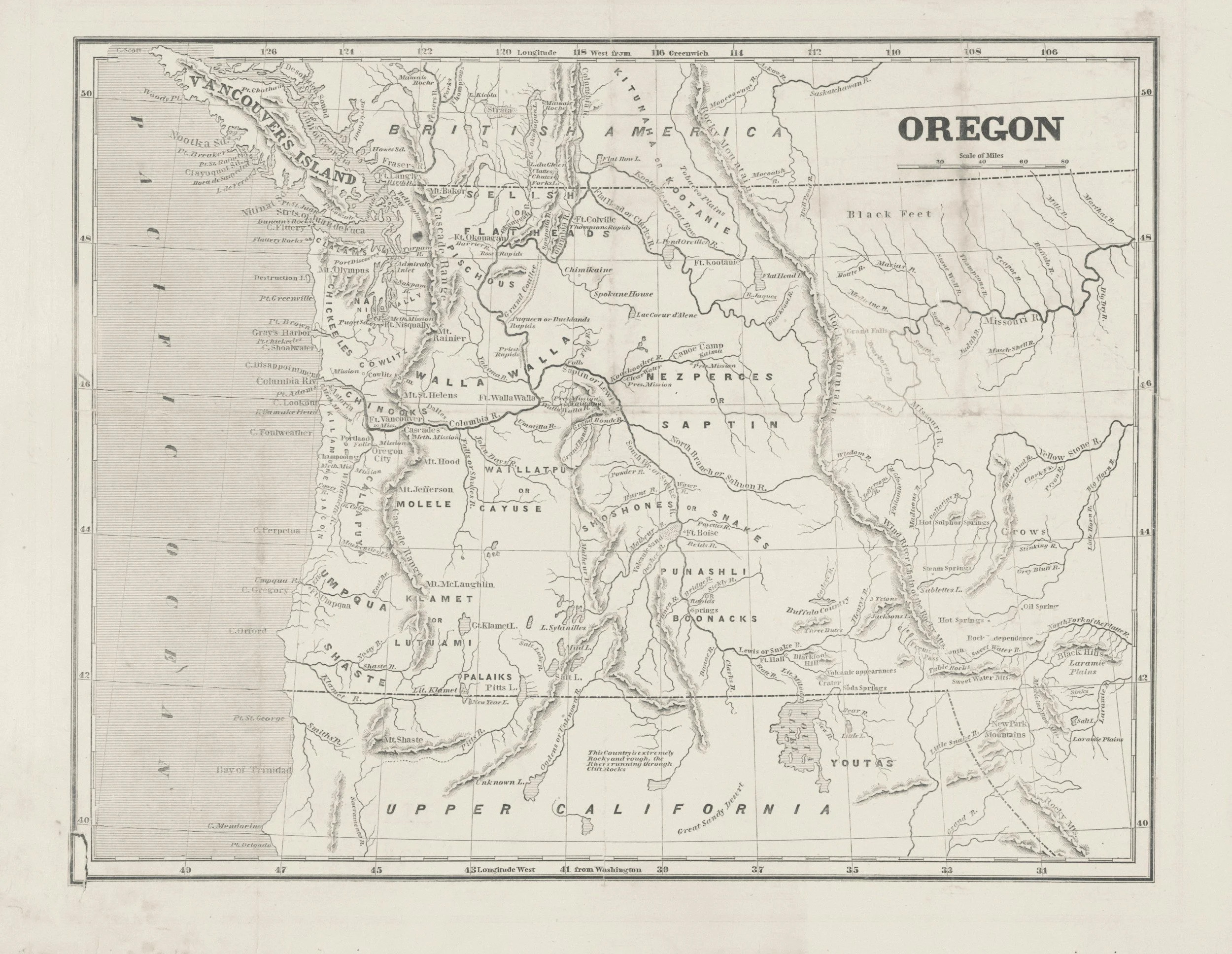
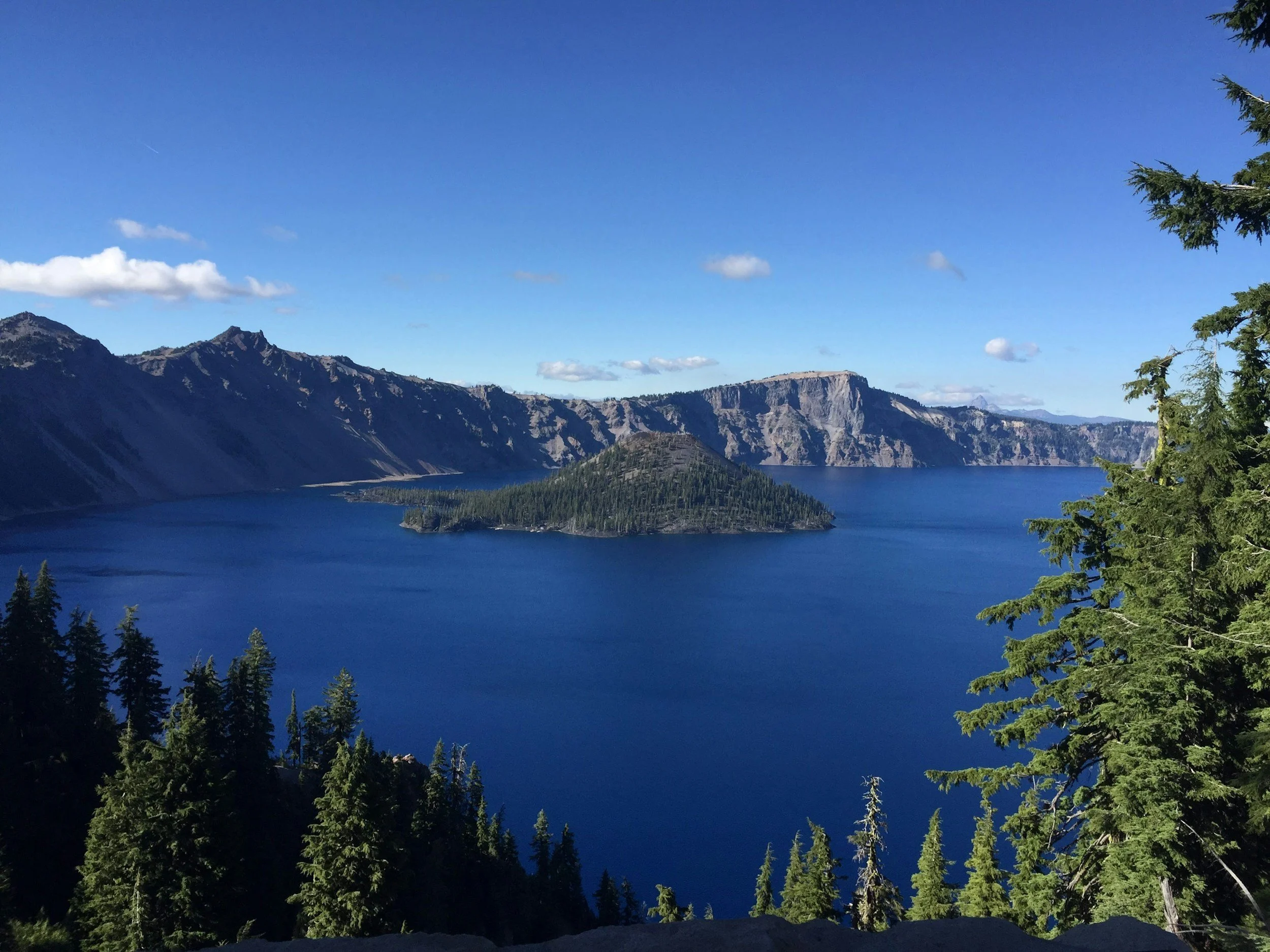
Across the world, the undaming of the Klamath River has made headline news as the largest dam removal in history. However, the fight is just starting, and many advocates are unaware of the toxic water that has been killing the Klamath for decades. The Klamath River flows from Upper Klamath Lake, the largest fresh body of water west of the Rocky Mountains in the USA. We, the Klamath Tribes (Klamath,Modoc, Yahooskin Paiute) people have inhabited this region for more than 14,000 yrs. Our ancestral home of 22 million acres contains the majestic Crater lake (Giiwas) and the headwaters of the Klamath River, our heartlands, including Klamath Lake, four rivers, many creeks, springs, and marshes. Our region is rich in biodiversity and endangered species found nowhere else in the world–all holding on by a thread.
What mainstream media is not talking about is that Klamath Lake has toxic algae blooms caused by runoff from western agricultural methods, mismanagement of the land and waterways, and a lack of enforcement by government. In the 1850s, Klamath Lake went from being clear to a eutrophic state, and by the mid-1900s had become hypereutrophic, with thick year-round algae blooms, including those that are toxic (USGS 2004, 2006).
Lake recreation is not permitted year-round, but that same water is used for farming. Locals report dogs dying from drinking the water and unusually high rates of cancer, and there are fish kills. Our Tribe has not eaten our sacred fish (c’waam and koptu) since 1986. After 115 years, our sacred ci’yaals (salmon) have returned to a toxic home. The community is suffering and racing against the clock to save our home and culture. (Jackson, 2025)
Our lake is crying for help. As the only treaty holding tribal nation on the Klamath River with quantified and reserved water rights, we are legally in the best position to perform this project, key research that would improve the lives for all who live in and around the Klamath watershed, downstream, and for all consuming the food and water from this region.
Implementation
The Klamath Heartlands project aims to preserve cultural history and traditional ecological knowledge (TEK) about the Klamath watershed that can be used for future legal actions. To do this, we are engaging in a process by which elders can share oral histories and stories with tribal youth. This traditional cultural property (TCP) can become the basis for a nomination under the National Historic Preservation Act, (NHPA 1980; Suagee, 2018) so the watershed can be Registered as a Sacred Place in the National Register (ACHP Guidance, 2021), and used as a defense rights of nature tool in future legal or policy actions (Jackson, 2025). This framework will serve as a pilot project that can be replicated by other Indigenous communities.
With the additional goal of preserving our Indigenous “science” through a storytelling collection, key knowledge needed to protect nature, wildlife, our people, and sacred Klamath watershed. We will focus on TEK of the Klamath watershed, such as knowledge essential for stewarding the watershed, information about endangered and key species sacred to the Tribe, oral histories, stories, language, and songs connected to the watershed and/or species, and the importance of species to the Tribe’s cultural practices and rituals (Cajete, 2000; Kimmerer, 2023; Whyte, 2017; Wilson & Inkster, 2018). This data could be used in current management plans, and help scientists better understand how this watershed has changed over time and why it is essential to protect it as a sacred place for the Tribe, a benefit for the Tribe, local community, downstream users, and for all people who consume the food and water from the Klamath watershed.
Outcomes
Words about outcomes“quote about the importance of this work”
-Tribal member
Get In Touch
If you're interested in working with us, complete the form …..